


Global survey exposes what HR fears most about AI

Introduction
Skillsoft’s 2025 Global Skills Intelligence Survey shows growing concern among HR professionals that employee skills are falling behind rapid workplace changes.
Artificial intelligence is rapidly transforming how businesses operate. While AI offers enormous potential, HR leaders are concerned that workers are not keeping pace with the changes. A recent survey from Skillsoft, a New Hampshire-based education technology company, reveals just how widespread those concerns are.
A Growing Confidence Gap
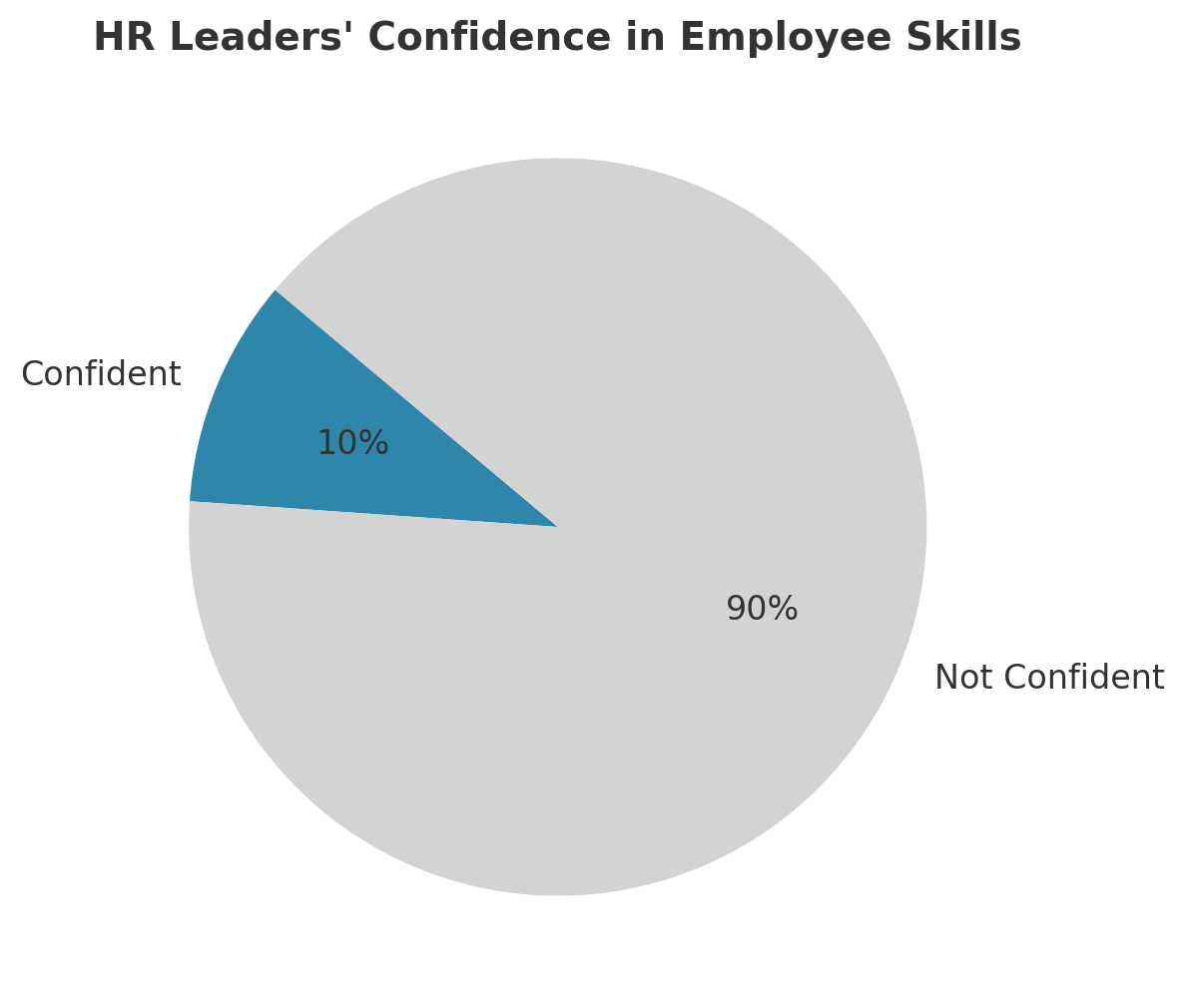
Among 1,000 HR and learning and development professionals surveyed, only 10 percent said they felt fully confident their employees have the skills needed to meet business demands in the next year or two. This finding contrasts with another data point: 85 percent of companies claim to have talent development programs. The problem is that many of these programs are outdated or poorly connected to company goals. Only about 20 percent of respondents said their training efforts are aligned with broader business strategy.
Short-Term Focus, Long-Term Risks
The survey also highlighted troubling patterns in workforce development. About 27 percent of HR professionals said their organizations are too focused on short-term needs and not preparing for the future. Another 26 percent said they have seen employees promoted into roles without sufficient training. Together, these gaps could leave companies vulnerable at a time when technological change is accelerating.
AI Tops the Skills Shortage List
Artificial intelligence is at the center of the issue. Forty-one percent of respondents said their companies are resistant to AI adoption, while 28 percent believe their organizations lack the technical expertise required to use AI effectively. Nearly one in four expressed concern that AI tools are advancing faster than employees can be trained to use them, creating a mismatch between technology investment and real-world capability.
Leadership Under the Microscope
Leadership is another major weak spot. Ninety-one percent of HR professionals said employees exaggerate their abilities, with leadership skills being the most overstated. Technical knowledge and AI expertise followed closely behind. According to Skillsoft’s report, this exaggeration leads to a distorted view of overall workforce readiness. Managers may be part of the problem. Although many companies offer leadership development resources, managers often do not participate because they are too busy or too burned out to prioritize training.

Why It Matters
Businesses that invest heavily in AI tools may not achieve the benefits they expect if their employees lack the skills to use them effectively. Without proper training, the technology may not deliver on promises of efficiency and innovation.
The solution may lie in reassessing employee skills, updating training programs, and providing stronger support for managers. HR professionals themselves also need support. Nearly half have considered leaving the field within the next year, which could make the skills gap even harder to close.
The takeaway is clear: in an AI-driven world, companies that fail to align training, leadership, and technology adoption risk falling behind their competitors.
How Will Job Hiring Look Like Then?
If you’ve been job hunting, you’ve probably noticed another disturbing trend: so-called “entry-level” roles now demand 2–5 years of experience, AI skills, and prior work history. But how are new grads and career switchers supposed to break into tech when the door is bolted shut?
If you’re struggling to get your foot in the door, this breakdown will help you understand what’s going on and how to play the new game.