

Google CEO Says AI Coding Can Turn Everyone Into a Developer


The Big Claim: Pichai Says AI Can Democratize Coding
Google CEO Sundar Pichai is convinced that the next era of software development won’t belong only to software engineers. In a recent Google for Developers podcast interview, he said AI will “make software development accessible to far more people,” framing this shift as one of the most exciting changes in tech in years.
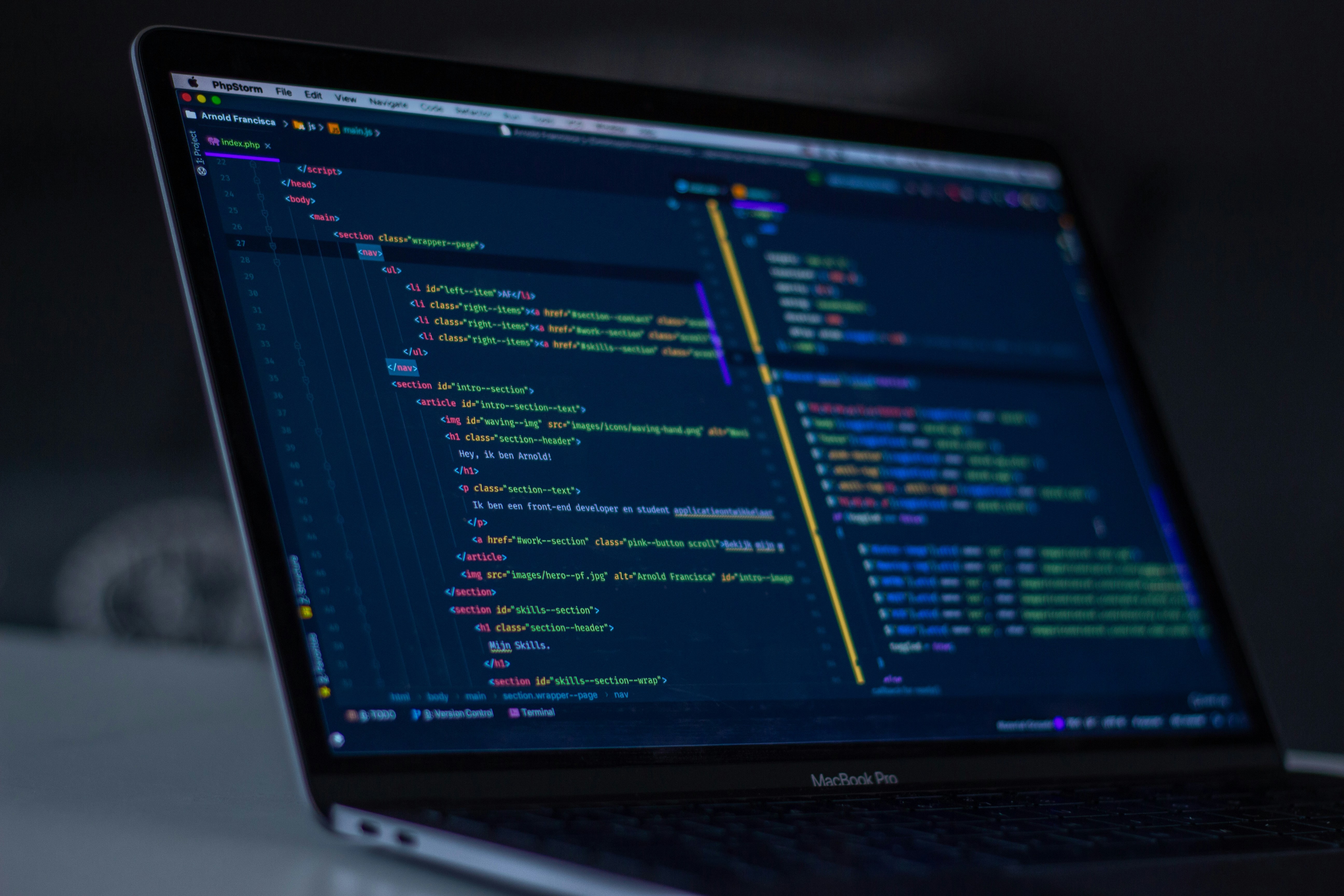
This push centers around what’s now being called vibe coding, a style of development where users describe what they want in natural language and AI handles the syntactic heavy lifting. Instead of learning JavaScript or debugging a React component tree, a user might simply request: “Build me a dashboard that tracks daily sales and alerts me when trends drop.”
But Pichai’s optimism sets up a familiar tension. On one side is the promise of making software creation radically accessible. However, there is also a growing chorus of critics warning that AI still oversimplifies the real engineering work that happens beneath the surface.
What “Coding Without Coding” Actually Looks Like
Google has been steadily rolling out demonstrations showing how this shift could work. Gemini-powered coding copilots can already generate UI layouts, backend routes, and documentation from text prompts. Early prototypes of Google’s App Builder also let users create mini-apps without touching code, while natural-language design tools help generate user flows or interactive elements by describing them in plain English.
For non-engineers, this feels transformative. Early testers have used these tools to build simple forms, internal dashboards, and workflow automations without requiring an IDE.
But even Google admits the limitations. Pichai says, “I’m not working on large codebases where you really have to get it right, the security has to be there.”
These tools shine only when problems are well-scoped and have predictable solutions. They still struggle with complex systems, edge cases, ambiguous requirements, or anything requiring architectural judgment.
Developers Question the Hype
Predictably, developers are split. While some see vibe coding as an evolution of high-level framework, others argue it’s just the latest hype wave. After all, AI-assisted coding has well-documented reliability issues.
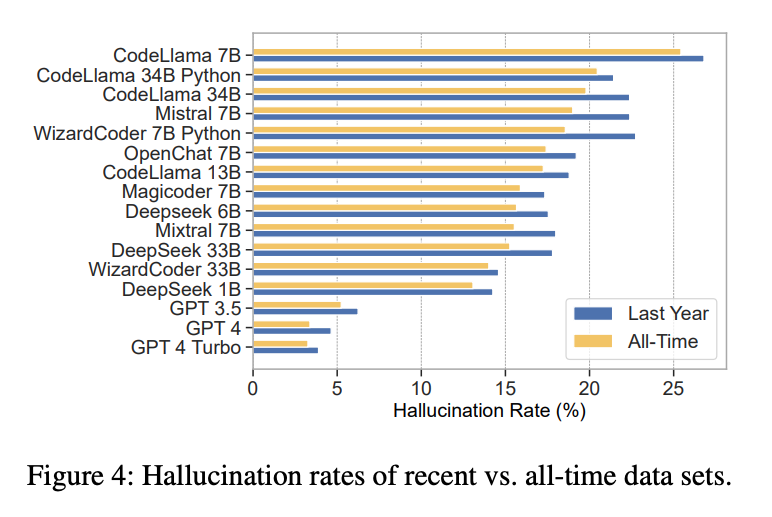
Code-generating AI frequently hallucinates solutions, dependencies, or library references. One study published in arXiv found that commercial AI models recommended nonexistent software packages 5.2% of the time, while open source models did so 21.7% of the time, creating a massive risk for production systems.
Even more telling is how the ‘godfather’ of vibe coding, former OpenAI exec Andrej Karpathy, doesn’t trust the tech enough, instead hand-coding his own project.
Then there are the practical headaches. AI-generated code can be bloated, unmaintainable, and opaque, making it harder to debug than code written manually. Thus, the hard stuff, such as system design, debugging, trade-off decisions, remains stubbornly human.
How AI Coding Could Reshape Teams and Workflows
If AI coding continues improving, the biggest shift may be organizational. Teams could prototype faster, non-technical workers could build their own tools, and engineers may no longer be the bottleneck for every small internal app.
But risks loom large. Shadow IT could explode as teams create unsanctioned tools. Ownership becomes murky when an AI generates 90% of an application.
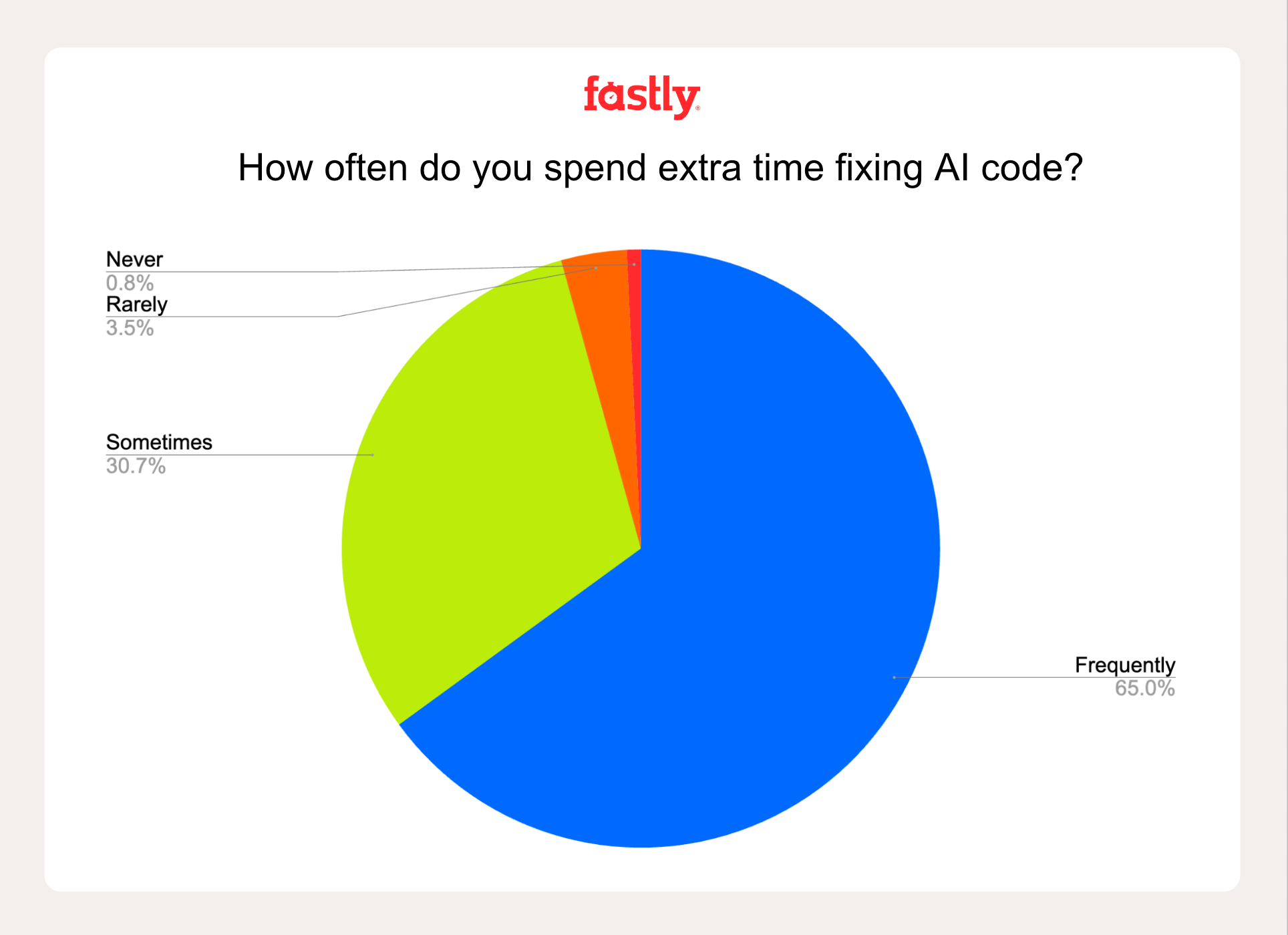
And despite claims of increased efficiency, a survey by Fastly suggests AI coding tools can actually slow down workers, with nearly 1 in 3 developers having to fix AI-generated code that it offsets the time savings.
In other words, AI can accelerate output but not necessarily quality. Thus, it makes sense why a previous article on AI-assisted coding emphasizes the value of human oversight, as coding assistants still need a ‘babysitter’, so to speak.
So… Will Everyone Become a Developer?
The previously linked article also argues that AI coding will almost certainly broaden who can create software, but that doesn’t mean software engineers are going away. Considering vibe coding still results in a decline in code accuracy despite the increase in completion time, its role remains limited in helping with early-stage prototypes and small workflow tools.
Thus, it’s reasonable to say vibe coding will not replace the judgment and expertise needed for complex systems.
So while Pichai’s optimism points to a future where coding becomes more like writing, the hardest engineering problems will still belong to specialists. AI may give more people access, but it won’t easily turn everyone into a full developer.