
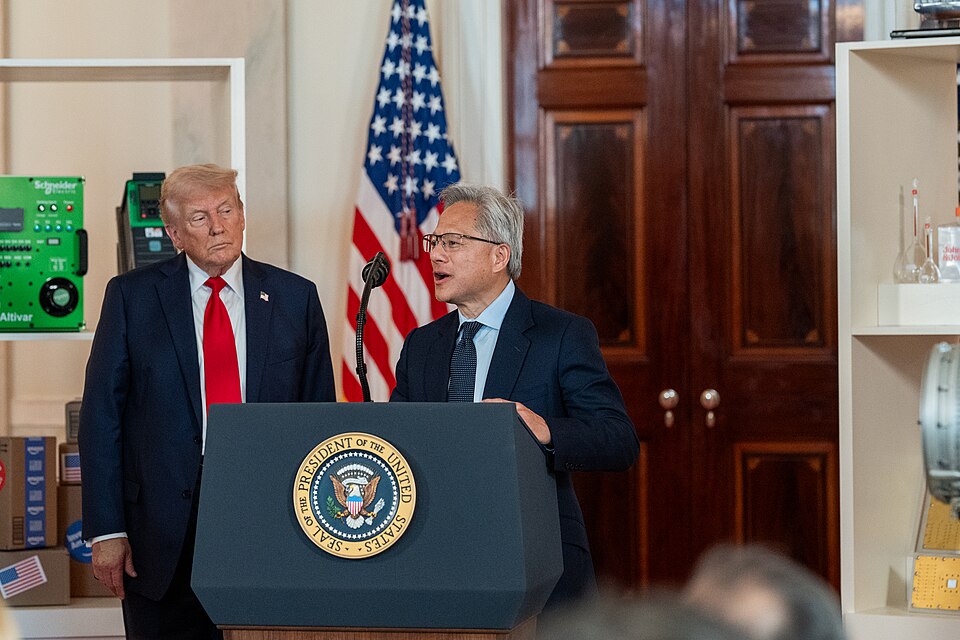
H-1B Chaos: Nvidia, OpenAI Optimistic—Big Tech Freaks Out


Trump Administration Releases New H-1B Visa Program
Last Friday, the Trump administration released a new executive order that imposes a $100,000 fee on new H-1B visa applications.
The proclamation aims to prioritize highly skilled, higher-paid workers, but it has triggered immediate and divided reactions throughout the tech industry.
While panic spread across much of Big Tech, two industry giants—Nvidia and OpenAI—stood out with responses that reflected cautious optimism.
Optimism from the Top
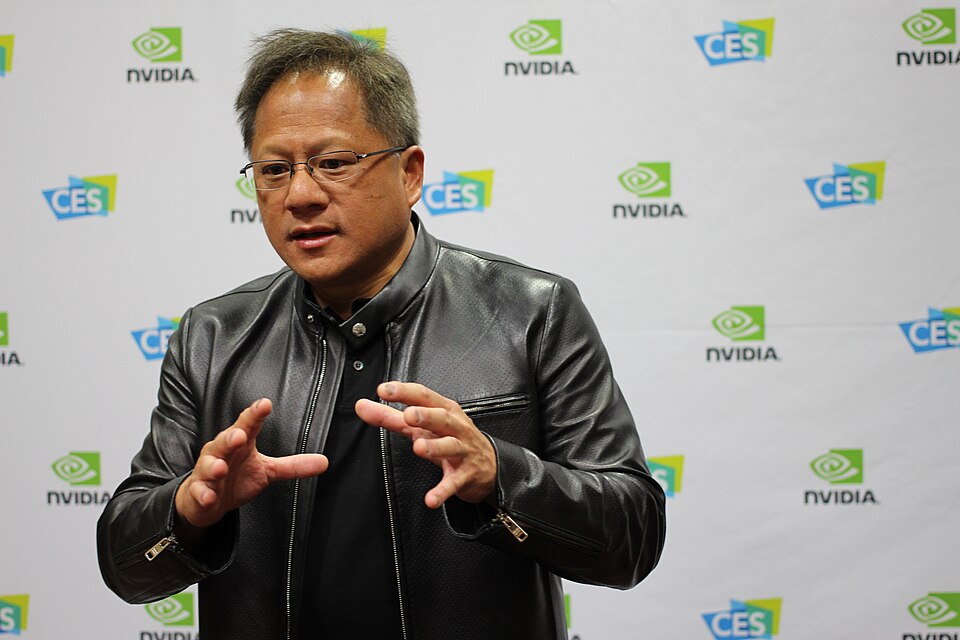
Unlike their peers, Nvidia CEO Jensen Huang and OpenAI’s Sam Altman struck a notably different tone.
In an interview with CNBC, both tech leaders suggested the fee change might actually improve the U.S. immigration system by bringing greater clarity, better value alignment, and higher standards to the talent pipeline.
Huang highlighted immigration’s crucial role in America’s ability to attract top global engineers and researchers, arguing that higher fees could reduce frivolous applications. Altman supported this view, suggesting the increased cost might create a more efficient system that filters for exceptional talent.
These optimistic perspectives stood out amid widespread industry anxiety. Many tech companies depend heavily on H-1B visa holders, with Nvidia itself reportedly filing thousands of visa petitions in recent years—highlighting how deeply foreign talent is woven into its workforce.
Big Tech's Panic Mode
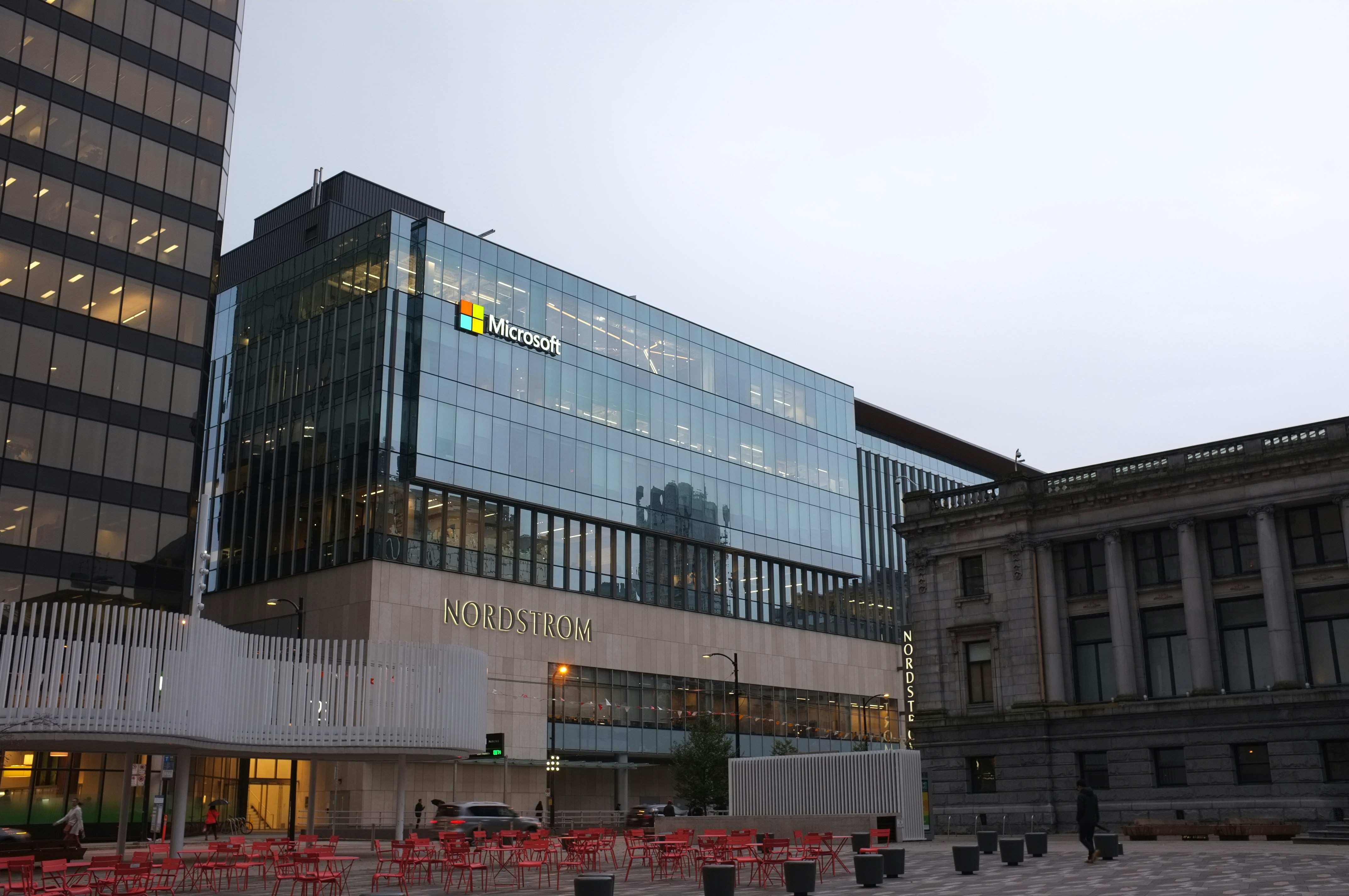
Meanwhile, companies like Amazon, Microsoft, and Google are in crisis mode. Internal memos and employee communications have reportedly instructed H-1B holders to either avoid international travel completely or return to the U.S. immediately to avoid getting caught in regulatory limbo.
These firms now face serious logistical challenges and legal uncertainties. Key questions remain unanswered: What exactly qualifies as a “new application” versus a renewal? Will employees who leave the country temporarily trigger the fee when re-entering? Until these issues are clarified, Big Tech companies are advising their employees to simply stay put.
Here's What's Been Clarified
To cut through the confusion surrounding the new visa fees, CBS News consulted immigration attorneys who provided these key clarifications:
- The $100,000 fee applies only to new H-1B petitions filed after 12:01 a.m. ET on September 21, 2025. It doesn’t affect renewals or current H-1B visa holders.
- While current visa holders can legally travel in and out of the U.S., many attorneys recommend avoiding international travel to prevent potential complications.
- A major unresolved question remains: what happens if a current H-1B holder leaves temporarily and subsequently requires a new petition after the policy implementation? This gray area is creating significant anxiety.
Why It Matters (and Why It’s Messy)
As explained in the video above, this policy change could reshape how tech firms hire, how foreign employees plan their lives, and where global talent decides to work.
For Amazon, Microsoft, Google, and others, the cost implications are huge—not just financial, but in risk, logistics, and morale. For smaller companies or startups that can’t absorb steep fees, it may mean scaling back or shifting hiring strategies away from foreign talent.
On the flip side, Huang and Altman see opportunity: a policy that, if it works as intended, could improve the signal-to-noise ratio in H-1B hiring, potentially reducing abuse, raising skill thresholds, and emphasizing quality over quantity.
That said, it’s a gamble, and one that many in Big Tech believe carries too much uncertainty.